My shopping cart
Your cart is currently empty.
Continue ShoppingFall Barley Seed, VNS
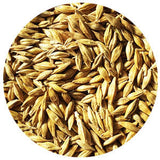
Fall Barley is a cool-season, fast-growing grain that enhances soil health and provides excellent forage. Known for its quick establishment and high biomass production, it helps with weed suppression, erosion control, and improving soil organic matter. Fall Barley is ideal for planting in the fall, offering protection through winter while also providing valuable forage for livestock.
Fast Growth for Quick Soil Coverage: Fall Barley grows rapidly, providing quick biomass and effective soil coverage.
Weed & Erosion Control: Its dense growth smothers weeds and prevents soil erosion, especially in fall and winter.
Versato;e Forage: Barley can be used for both forage and soil improvement, making it a great all-around crop.
Type: Grass
Season: Cool Season
Seeding & Growth
Precision: Not recommended
Drilled: 50 lb/A, 3/4" to 1 1/2" deep
Broadcast: 80 lb/A
Aerial: 96 lb/A
Dates: 3-10 weeks before average first frost
Avg seeds/lb: 13,600
Inoculate: NR*
Emergence: 6-8 Days
Height: 1 1/2- to 3'
Inter-seeding: Yes, ask a specialist for details
Drought and Heat:Good drought, Low heat tolerance
Flooding: Tolerates brief flooding or ponding
Fall Barley is a cool-season, fast-growing grain that is particularly well-suited for fall planting. It is ideal for soil improvement and provides significant biomass in a short growing season. Its ability to suppress weeds and prevent erosion makes it a popular choice for farmers seeking a quick, effective cover crop.
Plant Fall Barley Seed 3-10 weeks before the average first frost for the best results. This gives the barley enough time to grow, establish a solid root system, and protect the soil during the winter.
Yes, Fall Barley is an excellent choice for forage. It grows quickly, providing valuable grazing or silage for livestock. Its high biomass also makes it a nutritious feed option for animals.
For optimal growth, plant Triticale Seed between August 1 and December. Triticale grows best when established in late summer to early fall, allowing enough time to grow before the cold weather sets in.
The dense root system and rapid growth of Fall Barley help protect soil from erosion. It stabilizes the soil, preventing erosion from wind and rain, particularly during the cooler months when other crops are dormant.
Fall Barley has good drought tolerance, but it performs best with adequate moisture. It thrives in cooler conditions but may struggle in extreme heat.
Yes, Fall Barley can be interseeded with other cover crops. For optimal results, consult a specialist for the best seeding rates and compatible crops to mix with barley.
© 2026 Sustain Seed + Soil | Powered by Shopify